Back

Fresh Flow — Research Appendix

Additional Research

Research Appendix

This page collects the additional research behind the Fresh Flow case study in one continuous appendix. The materials are presented in order, moving from research planning and interview questions to synthesis and the discovery workflow.

Additional Research

Discovery Stage

Framing the problem space before talking to anyone: mapping the grocery workflow, defining what I needed to learn, and building the interview guide that drove generative research.

Artifacts

Live Figma embeds — click through to open in Figma

Artifact

Research Planning Framework

Mapped the grocery shopping workflow step-by-step to identify assumptions, knowledge gaps, decision points, and opportunities before conducting participant interviews.

Artifact

Research Questions

Insights from the planning framework were translated into interview questions focused on shopping behaviors, transportation, budgeting, store selection, delivery preferences, motivations, and decision-making.

THE MOMENT EVER

One Workflow Didn't Tell the Whole Story

The workflow exercise challenged my initial assumption that grocery shopping followed one universal process. Although participants completed many of the same tasks, their experiences varied depending on transportation, shopping environments, budgets, schedules, and household responsibilities.

This realization changed the direction of the research. Instead of studying a single shopping journey, I expanded the research to understand multiple shopper contexts. These early observations informed participant recruitment, interview questions, and the generative research conducted in the next phase.

Discovery Workflow

  1. Research Planning

  2. Generative Interviews

  3. Affinity Mapping & Synthesis

  4. Journey Mapping

Research Synthesis

From recurring patterns to four strategic opportunities.

Recurring behaviors, motivations, and pain points clustered into four strategic opportunity areas — the patterns that would anchor ideation and the "How Might We" statements to come.
OPPORTUNITY 01

Trust & Transparency

Gia
Delivery-First Shopper
Jayne
Delivery-First Shopper
Shannon
In-Store Shopper
Teairis
Shopper Without a Car
Sean
In-Store Shopper
Artifact · Trust Confidence Model
0255075100TRUST THRESHOLDPlanShopSubstituteTransitReceiveStore
Confidence drops sharply at the moments shoppers can't see — substitutions, transit, and handoff. Trust isn't lost at the brand level; it's lost in the gaps.
Research Insight

A recurring pattern across interviews was that trust depended on visibility, not branding. Participants consistently described uncertainty around freshness, substitutions, and what happened to their order between checkout and arrival. Confidence grew when the shopping experience made unseen steps legible.

Evidence Across Participants
  • Wanted greater transparency throughout shopping5/5
  • Expressed concerns about product substitutions4/5
  • Wanted clearer delivery updates & order visibility4/5
  • Discussed freshness or quality before purchasing3/5
How Might We

How might we make trust legible across every stage of the grocery journey, especially in the moments shoppers can’t see?
OPPORTUNITY 02

Multi-Store Shopping Behaviors

Gia
Delivery-First Shopper
Jayne
Delivery-First Shopper
Shannon
In-Store Shopper
Teairis
Shopper Without a Car
Sean
In-Store Shopper
Artifact · Shopping Ecosystem
Big-boxPrice · bulkLocal grocerQuality · trustFarmers marketOrigin · seasonalSpecialtyEthnic · organicConvenienceLast-minute
Across 18 interviews, every participant used 3+ stores in a typical month. Shopping is a network of trade-offs, not a single destination.
Research Insight

No participant relied on a single grocery store. Shopping behaviors emerged as an adaptive system shaped by price, availability, transportation, and daily routines. Participants assembled their groceries across multiple sources rather than consolidating into one trip.

Evidence Across Participants
  • Regularly shopped at more than one grocery store5/5
  • Chose stores by price, convenience, or availability4/5
  • Planned shopping around transportation or errands4/5
  • Visited specialty stores for specific products3/5
How Might We

How might we support the way shoppers already build their grocery routines across multiple stores, rather than ask them to consolidate?

OPPORTUNITY 03

Delivery Reliability & Predictability

Gia
Delivery-First Shopper
Jayne
Delivery-First Shopper
Shannon
In-Store Shopper
Teairis
Shopper Without a Car
Sean
In-Store Shopper
Artifact · Expectation vs Reality
What shoppers expected2:00 – 4:00 PM
What shoppers experienced3:40 – 6:15 PM
Uncertainty peaks
12 PM2 PM4 PM6 PM8 PM
≈ 1h 45m
Window slip
4.2 / order
Status checks
Not knowing
Frustration driver
Research Insight

Frustration with delivery centered on uncertainty rather than wait time. Participants wanted to know what to expect and what was happening in real time. Predictability and clear status updates mattered more than raw speed.

Evidence Across Participants
  • Valued predictable delivery windows5/5
  • Wanted real-time delivery updates4/5
  • Described frustration when deliveries became uncertain4/5
  • Checked order status multiple times while waiting3/5
How Might We

How might we give shoppers confidence in what to expect — and what is happening right now — across the full delivery experience?

OPPORTUNITY 04

Cost, Accessibility & Physical Effort

Gia
Delivery-First Shopper
Jayne
Delivery-First Shopper
Shannon
In-Store Shopper
Teairis
Shopper Without a Car
Sean
In-Store Shopper
Research Insight

Cost extended well beyond the price of groceries. Participants weighed transportation, delivery fees, time, and the physical effort of carrying items as part of every shopping decision. These hidden costs shaped how — and whether — they accessed fresh food.

Evidence Across Participants
  • Considered cost beyond the price of groceries5/5
  • Discussed transportation as part of grocery planning4/5
  • Described carrying groceries as physically challenging3/5
  • Said delivery fees influenced how they chose to shop3/5
How Might We

How might we reduce the hidden costs of accessing fresh food so that effort, time, and transportation aren’t the deciding factors?

Artifact · Cost Burden Framework
What “cost” actually means to shoppers
  • Item price32%
  • Delivery / service fees18%
  • Transportation14%
  • Time across stores22%
  • Physical effort (carrying)14%
Only ~32% of perceived cost was the food itself. The rest was fees, transit, time, and effort — burdens that fell hardest on shoppers without a car or with caregiving responsibilities.

Discovery Synthesis

Affinity Mapping

To make sense of five generative interviews, I organized participant observations into an affinity map. Grouping similar behaviors, motivations, pain points, and unmet needs revealed the patterns that shaped the direction of Fresh Flow.
Key Themes

Patterns across participants

  • 01Multi-Store Shopping
  • 02Trust & Transparency
  • 03Transportation & Accessibility
  • 04Cost & Physical Effort
  • 05Delivery Reliability

Themes synthesized across five participant interviews.

Synthesis

Interview Affinity Map

5 Interviews

This working board shows how interview observations were grouped into themes before being translated into design opportunities.

How the synthesis was organized
  • Interview observations
  • Affinity clustering
  • Theme identification
  • Opportunity areas

Similar observations naturally clustered together, revealing consistent behaviors across participants. Those patterns became the foundation for the opportunity areas explored throughout the project.

The strongest patterns became the foundation for the opportunity areas explored throughout the rest of the design process.

Research That Shaped the Service Ecosystem

Learning from proven systems before designing Fresh Flow.

The Design Sprint revealed that many opportunities extended beyond the shopping interface. Before designing solutions, I expanded my research to understand how successful logistics networks, cooperative marketplaces, and sustainable food ecosystems operate in practice. Studying existing models helped validate emerging opportunities, uncover operational patterns, and ground future design decisions in evidence rather than assumptions.
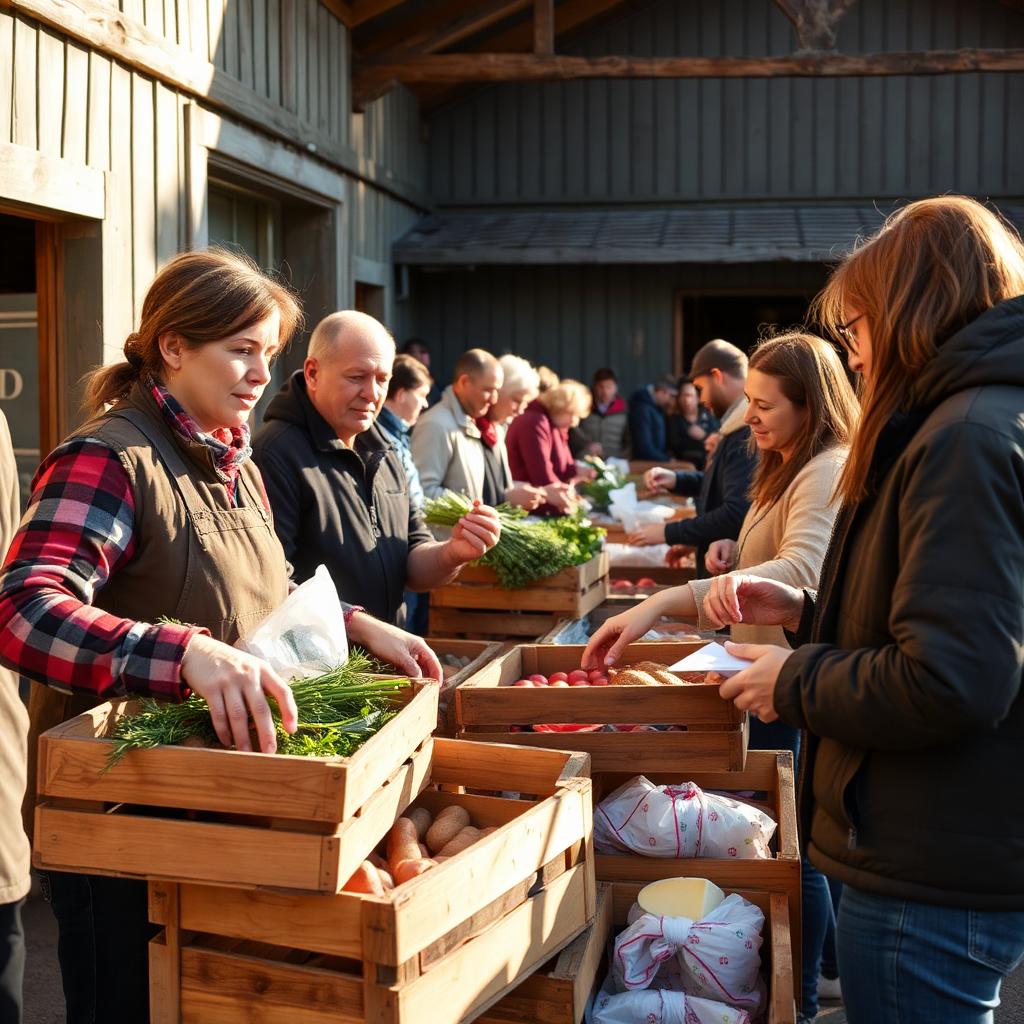
La Ruche Qui Dit Oui (The Food Assembly)01
Source: La Ruche Qui Dit Oui

La Ruche Qui Dit Oui (The Food Assembly)

What I Learned
  • Producer-first marketplace
  • Neighborhood pickup model
  • Transparent pricing
  • Farmers retain ~80% of each sale
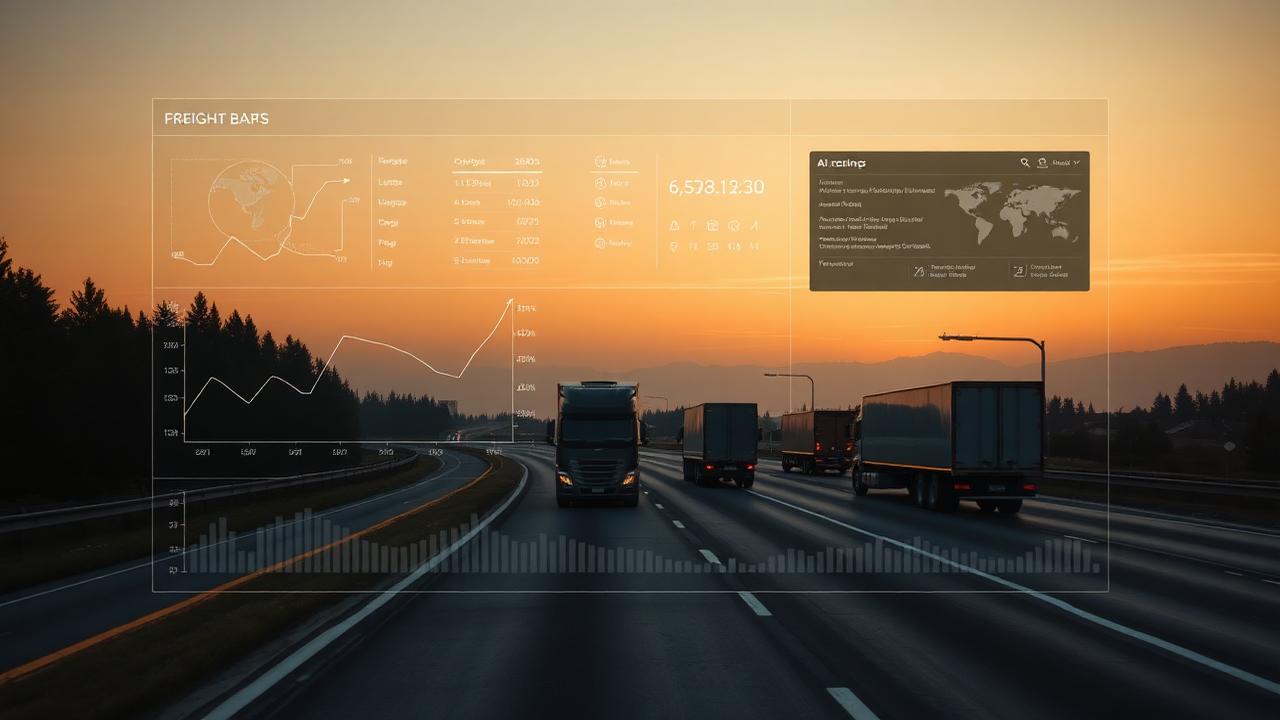
Uber Freight02
Source: Uber Freight

Uber Freight

What I Learned
  • AI-powered route optimization
  • Empty-mile reduction
  • Shared logistics infrastructure
  • Transportation efficiency
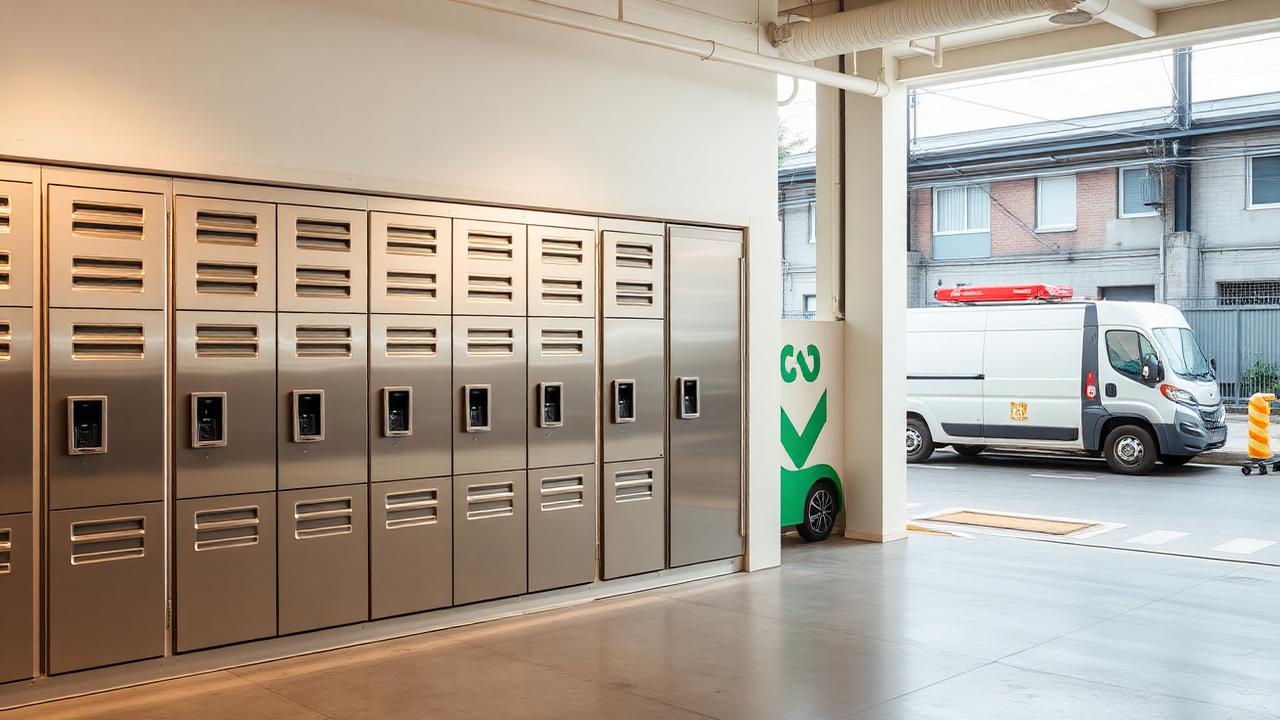
Sustainable Infrastructure03
Source: Smart Locker & Micro-Fulfillment Research

Sustainable Infrastructure

What I Learned
  • Shared cold storage
  • Temperature-controlled fulfillment
  • Electric delivery
  • Neighborhood distribution hubs
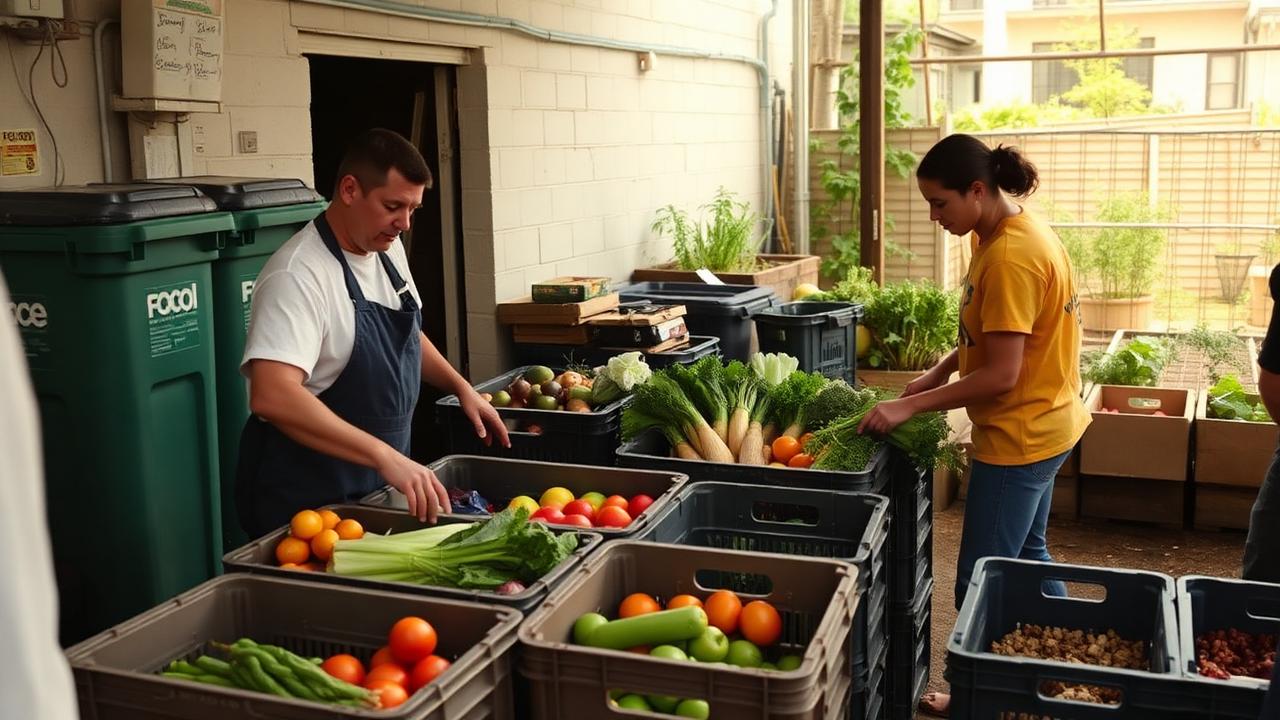
Circular Food Economy04
Source: Cooperative Food Systems Research

Circular Food Economy

What I Learned
  • Food redistribution
  • Waste reduction
  • Community partnerships
  • Circular economy principles

Ask the Experts

Supporting research behind the expert interviews.

Secondary research strengthened the project’s systems perspective, but important questions still remained. These materials show why the research expanded, the sprint questions that guided each conversation, and the key questions asked of every expert.

Section 01

Why expand the research?

  1. 01

    Round One interviews revealed that shopper frustrations were symptoms of a larger systems problem.

  2. 02

    Secondary research identified proven ecosystem models and operational best practices

  3. 03

    The next step was validating whether those ideas would work for the people responsible for producing, storing, and delivering food.

Section 02

Sprint questions that guided the interviews.

Rather than running through every interview prompt, the questions were organized into six research themes that mirrored the opportunities surfaced earlier.

01

Shopping Behavior & Local Awareness

Understanding local purchasing habits and awareness of producer-first marketplaces.

02

Trust & Transparency

Exploring how visibility, traceability, and fulfillment transparency influence trust.

03

Pickup & Delivery Experience

Understanding preferences between neighborhood pickup and home delivery.

04

Reliability & Operations

Identifying concerns around autonomous delivery, fulfillment accuracy, and service recovery.

05

Pricing & Fairness

Exploring producer compensation, affordability, and shared logistics.

06

Sustainability & Community

Understanding how circular food systems and local partnerships create long-term value.

Highlighted

Key Research Questions

The themes above translated into five core questions guiding every expert conversation.

  • Can EVs and autonomous delivery reliably transport fresh groceries?
  • What level of transparency builds trust throughout fulfillment?
  • How should customers choose between neighborhood pickup and home delivery?
  • How can shared logistics remain affordable for producers and consumers?
  • How can food redistribution reduce waste while supporting communities?

Research Synthesis

From interview insights to design direction.

Looking across every interview, recurring themes emerged that extended beyond individual opinions. Instead of treating each interview independently, I synthesized overlapping patterns to identify the underlying system opportunity. These findings became the bridge between research and concept development.
01

Transparency

Trust begins before purchase through sourcing visibility, freshness verification, and food-handling transparency.

02

Flexible Fulfillment

People want options. Customers should choose between neighborhood pickup hubs and autonomous home delivery.

03

Producer Sustainability

Local producers need fair compensation, shared logistics, and better market access.

04

Community Infrastructure

Neighborhood hubs strengthen connections between residents, farmers, and local businesses.

05

Connected Ecosystem

Shopping depends on fulfillment, logistics, producers, technology, and consumers working together — not independently.

Shared Pattern

Although every expert viewed the challenge from a different perspective, they consistently pointed toward the same opportunity: design a transparent local food ecosystem that connects producers, logistics, neighborhoods, and consumers through one trusted system.